
Today, Nigeria marks 66 years of independence.
Across the country, the green and white will fly. We will celebrate our history, reflect on how far we have come, and once again ask what kind of Nigeria we want for the future.
But there is something about that number that deserves our attention.
If Nigeria were a person, at 66, we would call her an older adult. Nigeria’s own National Policy on Ageing defines an older person as someone aged 60 years and above. By that definition, Nigeria has already been an older adult for six years.
And today is not only Independence Day. October 1 is also the International Day of Older Persons.
So perhaps this is the right day to ask a question that is both uncomfortable and necessary: What does it actually mean to grow old in Nigeria?
Growing old when the basics are already hard
Imagine growing old in a country where meeting basic needs is already difficult for millions of people.
Now imagine doing it when your body is no longer as strong as it once was.
For many older Nigerians, this is not something to imagine. It is everyday life.
When the hospital is not an option
An older person may become ill and remain at home. This is not because the illness is minor. It is because going to the hospital means transportation, consultation fees, tests and medicines that they or their family simply cannot afford. Sometimes the care they need is not even available where they live.
So illness is managed as best as it can be. Pain is endured. Symptoms are watched. Medication is bought only when money can be found. And the hospital is considered only when the condition has become too serious to manage at home.
But yeah, the body does not wait
For an older person living with a condition that requires continuous care, this reality can be devastating.
Hypertension does not wait until there is money for medication. Diabetes does not pause because transportation is difficult.
At the same time, many can no longer work as they once did. After decades of farming, trading, sewing, driving, building or selling, they reach old age without a dependable pension or income. Children and relatives become the safety net, if they themselves have enough to give.
So some learn to live with conditions that should be treated. Not because they chose to, but because access itself has become a privilege.

The promises are already on paper
None of these concerns are new. Nigeria has acknowledged the needs of its older population for years.
- 2017: Nigeria passed the law establishing the National Senior Citizens Centre, with a mandate focused on the welfare and wellbeing of older persons.
- 2021: The Federal Government approved the National Policy on Ageing, covering healthcare, income security, social protection, housing, dignity and protection from abuse.
- 2022: The National Human Rights Commission called on state governments to adopt the Senior Citizens Act so that it could be effectively implemented.
The promises are clear. But nine years after the law and five years after the policy, these commitments have still not become the kind of dependable support an ordinary older Nigerian can count on in daily life.
That is the problem.
Quality of life is not a policy document
For an older person, quality of life is being able to get healthcare when they are sick. It is having essential medication, adequate food and somewhere safe to live. It is having some security when the body can no longer work as before, and care when care becomes necessary.
These are not luxuries. They are the basics.
Yet for too many older Nigerians, even these remain uncertain.
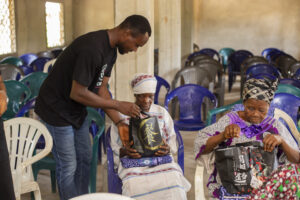
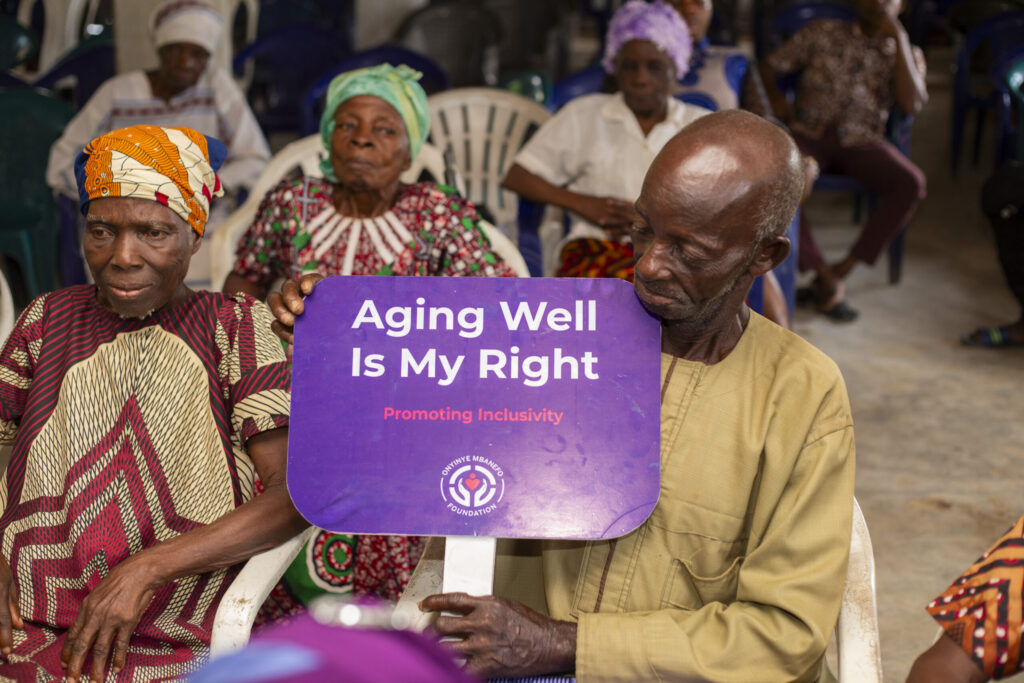
They grew old with this country
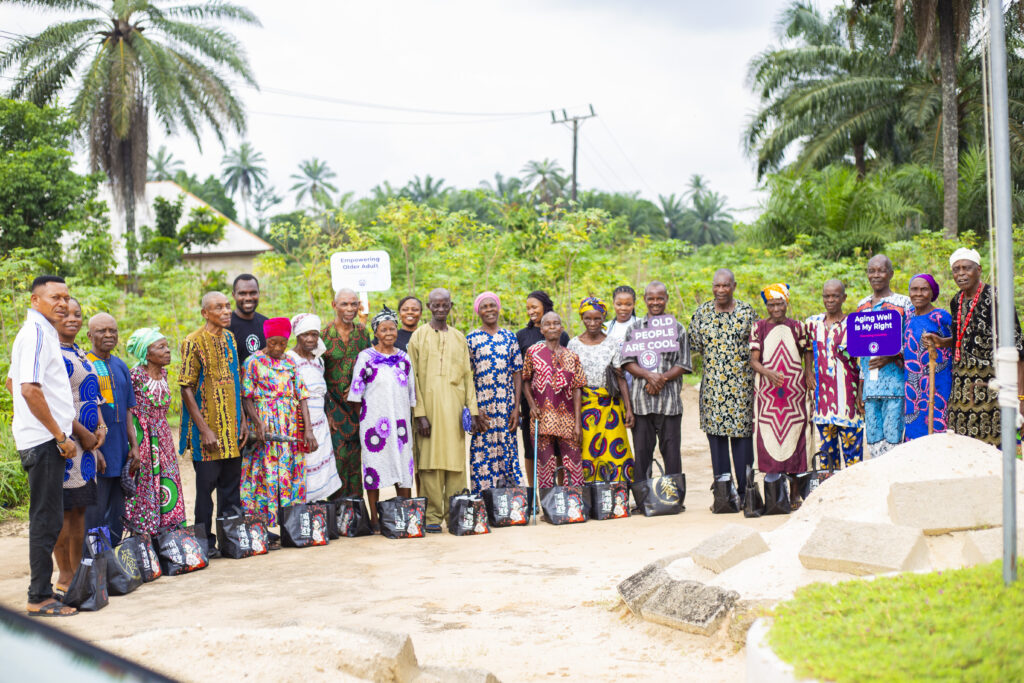
Many older Nigerians have grown old alongside this country. They have farmed, traded, taught, built, raised families and served communities. They have contributed to Nigeria in ways that may never appear in any national record.
They should not have to spend their later years still struggling for a dignified life.
A gentle but necessary reminder
The commitments to older Nigerians are not unclear. They are written in our laws and in our national policy. Healthcare, income security, social protection, housing, dignity and protection from abuse have all been named as priorities.
What remains is for these commitments to be felt in the lives of the people they were written for.
That responsibility rests first with government, at the federal and state levels. Communities, families and organisations can support older people in many ways. But the kind of care that reaches every older Nigerian, in every state and every village, can only come from government action.
So as we celebrate 66 years of independence, we hope this day will be more than a celebration. We hope it will be a moment of reflection, and a reminder that the promises made to older Nigerians are still waiting to be kept.
Because the question is not only how far Nigeria has come since 1960.
It is how far we have come for the Nigerians who have grown old with us.
Again, the policies have been written. The institutions have been established. The promises have been made.
But promises are not quality of life.
Quality of life is what happens after the promise.